A proven and effective treatment for multiple sclerosis, has also been found to cover a multitude of ailments and conditions.
Easing symptoms, from Crohn’s disease and various types of cancer, to HIV/AIDS and rheumatoid arthritis, Naltrexone is more than just a treatment for MS – it is able to work across numerous immune related disorders.
This product has the
following ingredients
This product is associated with the following health conditions
AIDS ALS (Amyotrophic Lateral Sclerosis) Cancer Crohn’s disease Fibromyalgia HIV (Human Immunodeficiency Virus) Lou Gehrig’s disease (ALS) Lupus Multiple SclerosisProduct Description
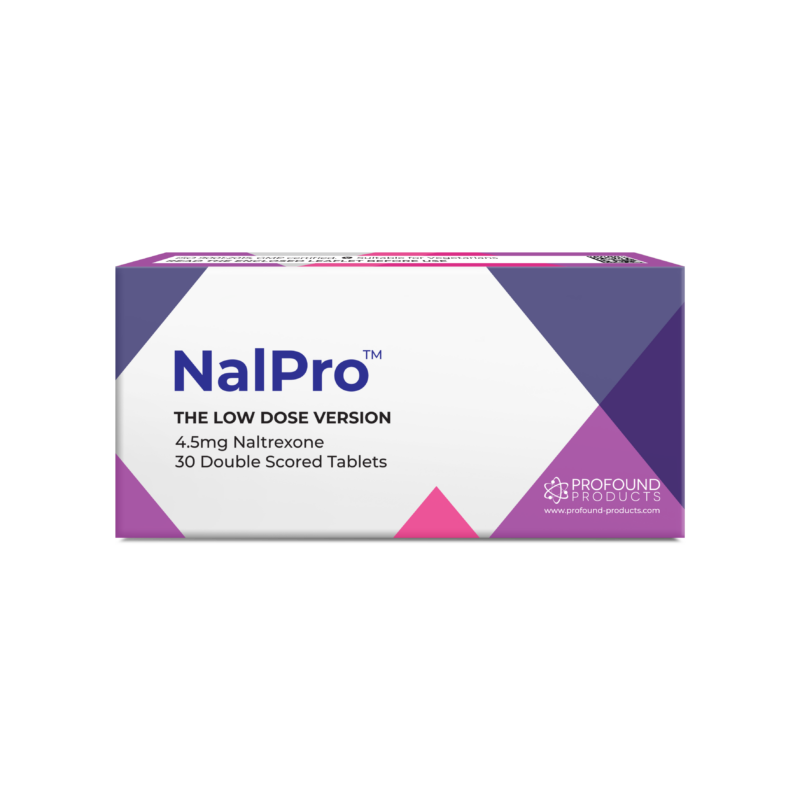
Naltrexone 4.5mg, a proven and effective treatment for multiple sclerosis, has also been found to cover a multitude of ailments and conditions. Easing symptoms, from Crohn’s disease and various types of cancer, to HIV/AIDS and rheumatoid arthritis, Naltrexone is more than just a treatment for MS – it is able to work across numerous immune related disorders.
The results of Low Dose Naltrexone, widely known as LDN therapy, have been remarkable. Originally, the primary use of Naltrexone was in the management of opioid and dependence on alcohol, which utilise high doses. Dr Bernard Bihari began experimenting with Naltrexone ( also known as narvcol) at lower doses in the 1980’s first for the treatment of HIV / Aids and then for a number of other autoimmune diseases such as multiple sclerosis, Crohn’s disease and across many immunological related diseases, but especially in the treatment of MS, where patients have reported an improved quality of life. A leading study further established that by maintaining regular nightly Low Dose Naltrexone therapy, less than 1% of the MS sufferers experienced fresh MS attacks.
Antiaging systems is one of the few places where you can get the exact low dose Naltrexone 4.5mg used in the studies by Dr Bihari’s and other researchers to achieve such positive results for those suffering from auto immune disorders.
I am so pleased that you are now offering naltrexone in a low dose form- it’s a really important find for me.
C.P., California.
Related Product 1