Both men and women can suffer with low testosterone levels, although it is a problem far more commonly seen in men. If you have low testosterone, a wide range of bodily functions can be affected including sex drive, ability to maintain an erection, muscle strength and physical endurance.
There are also a few medical conditions related to the testes that can impact testosterone levels, such as injuries, testicular cancer (+ related treatments for this such as radiation or chemotherapy) and abnormal testicular development.
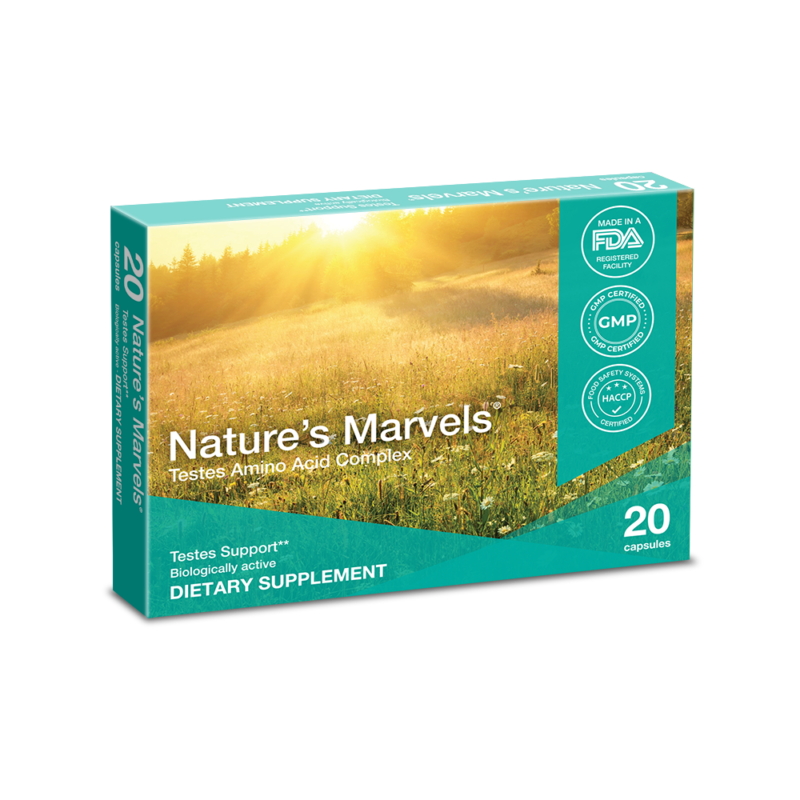
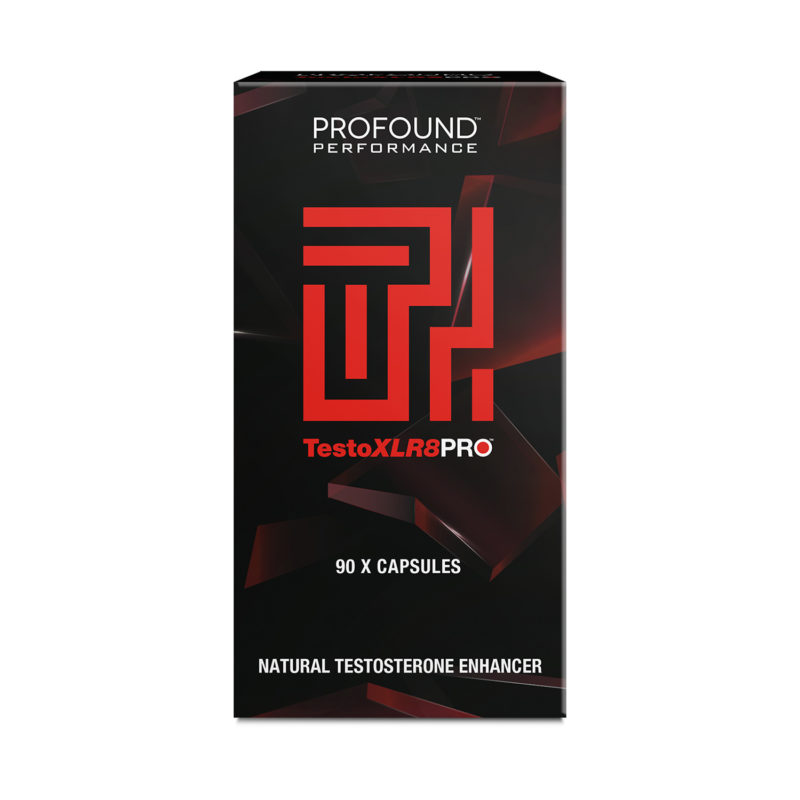
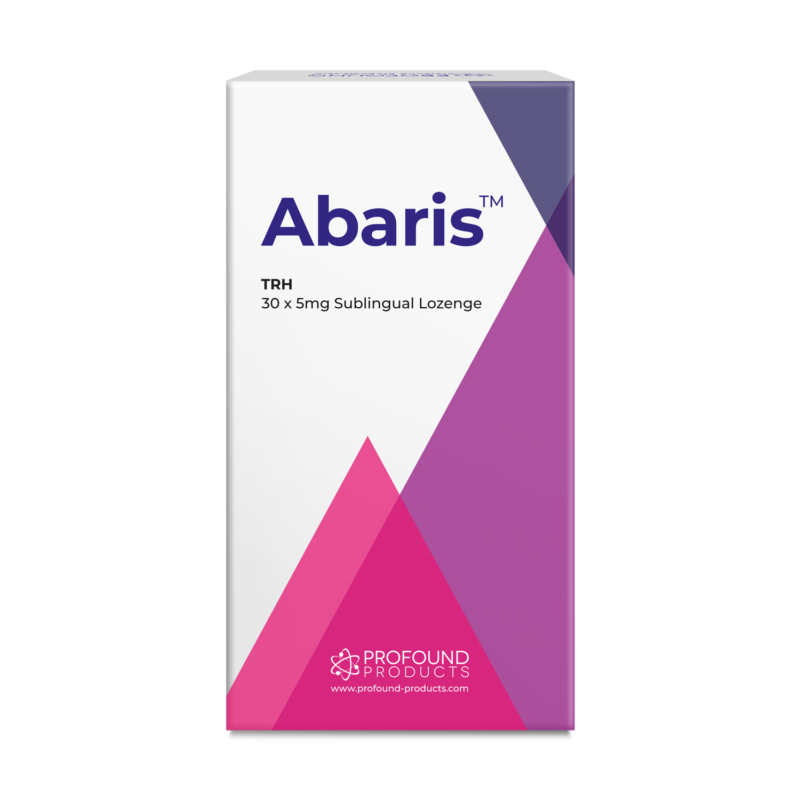
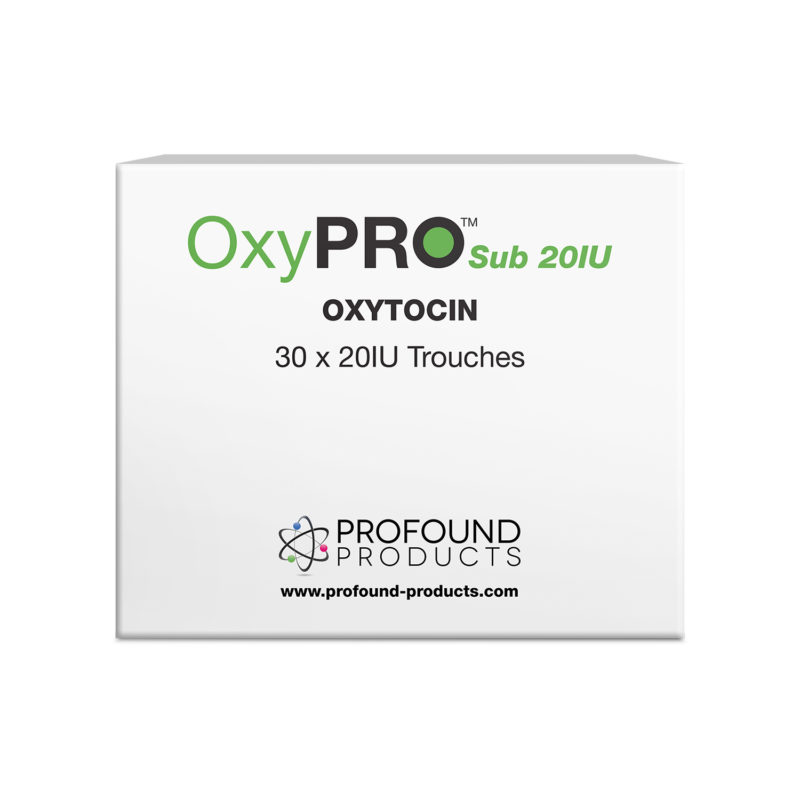
People who suffer with low testosterone and/or conditions that affect their testes often look for products to increase testosterone, also known as testosterone boosters. These include peptide bioregulators specially designed to normalize testes function, plant based extracts and multivitamins. It is also possible to use supplements to help with the side effects of low testosterone, such as ones that contain the hormones Oxytocin, which assists with emotional bonding.