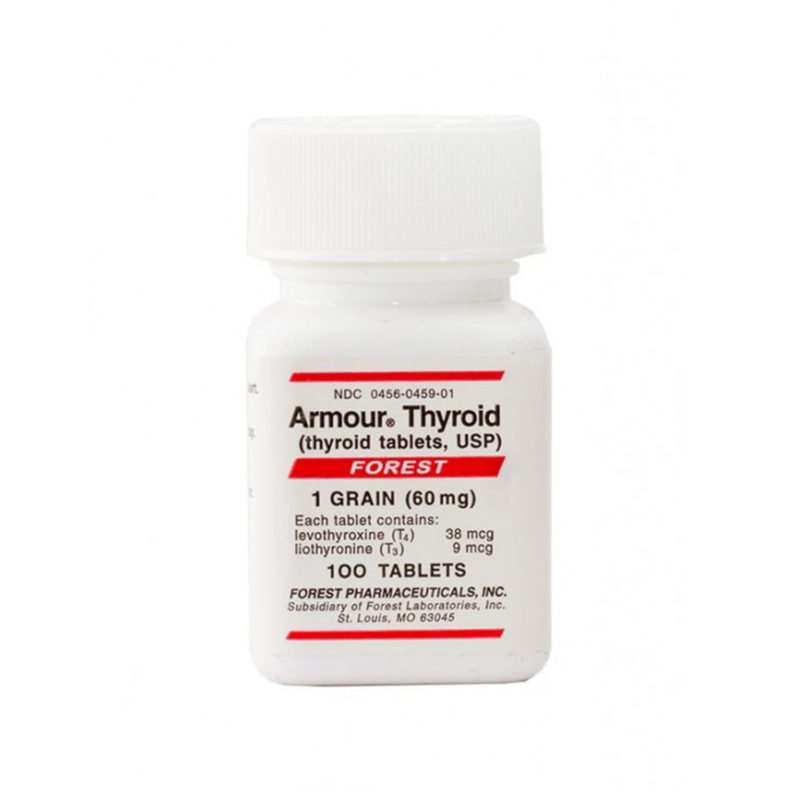
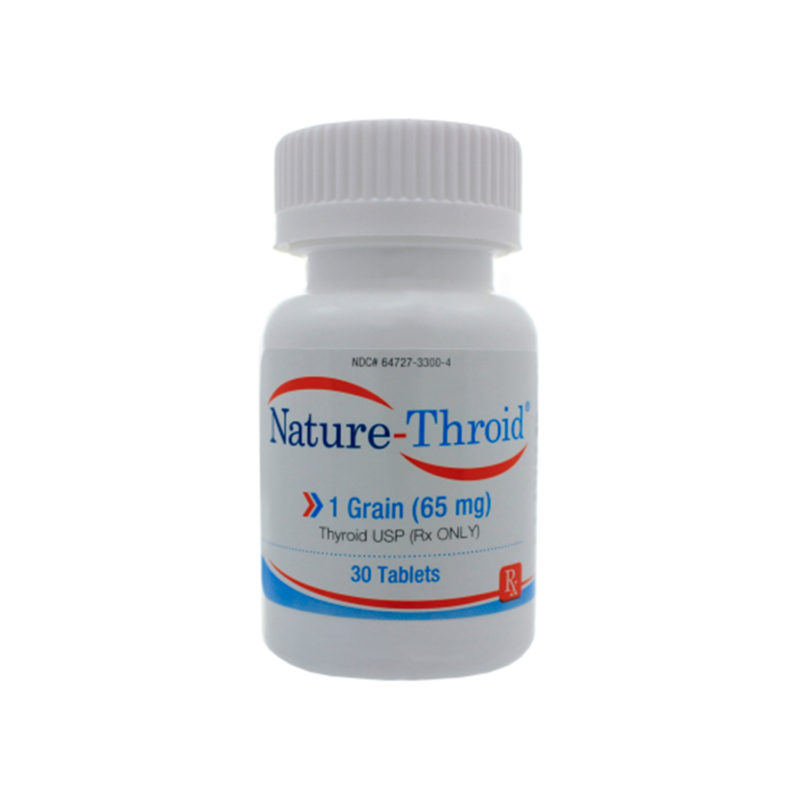
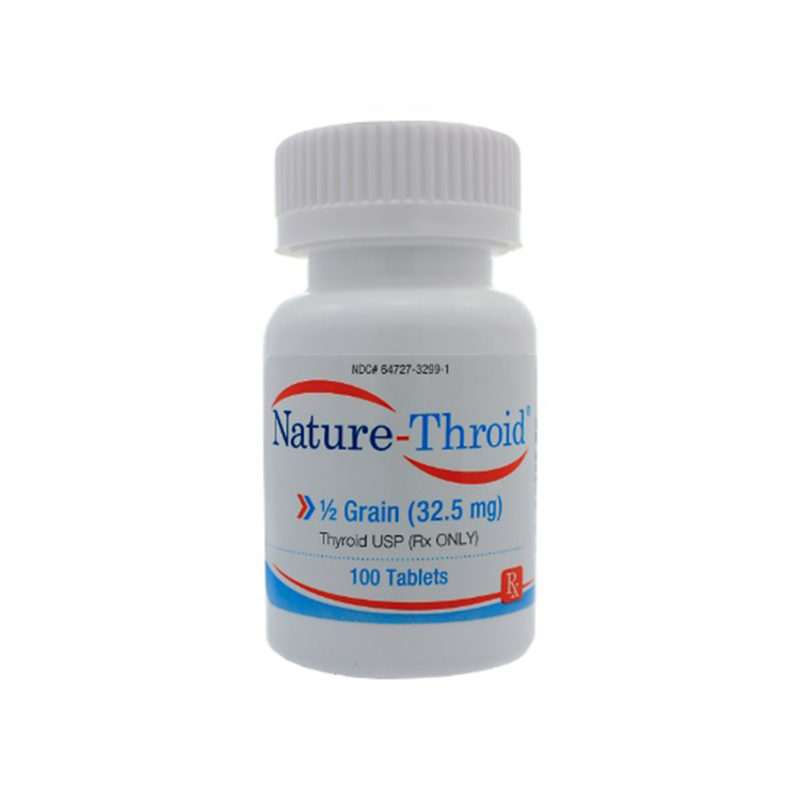
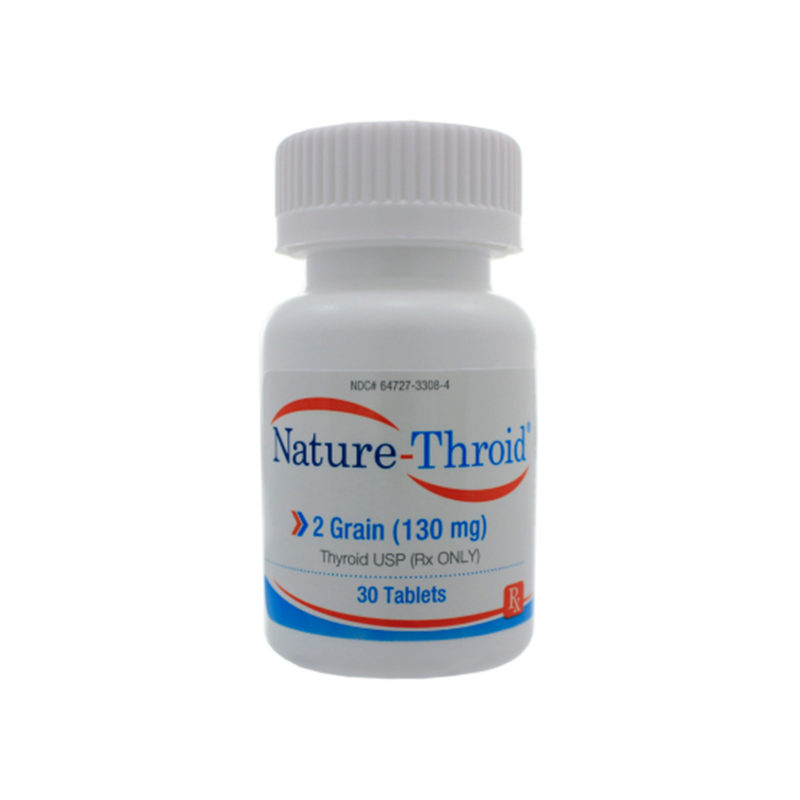
As a pivotal gland that controls our body’s metabolism, it comes as no surprise that thyroid decline – synonymous with the ageing process - can be the root of many health problems. In the battle against age related thyroid decline, thyroid armour comes to the rescue with Thyroid supplements. An armour supplement, which is a natural thyroid supplement, provides a powerful anti aging thyroid boost.
Located just under your ‘Adam’s Apple’ in the throat, the thyroid secretes a hormone called thyroxine. This regulates the metabolism - the rate at which we turn what we eat into energy – coupled with our fat-burning capabilities. It’s little wonder Thyroid supplements are akin to an armour supplement or thyroid armour when you consider the catalogue of heath problems linked with a decline in hormone secretion – a condition known as hypothyroidism. Symptoms range from tiredness and low energy levels, through concentration, memory and sleep issues, to weight gain and menstrual problems; while an underactive thyroid can cause a common and painful musculoskeletal condition, affecting tendons, ligaments and muscles, known as fibromyalgia.
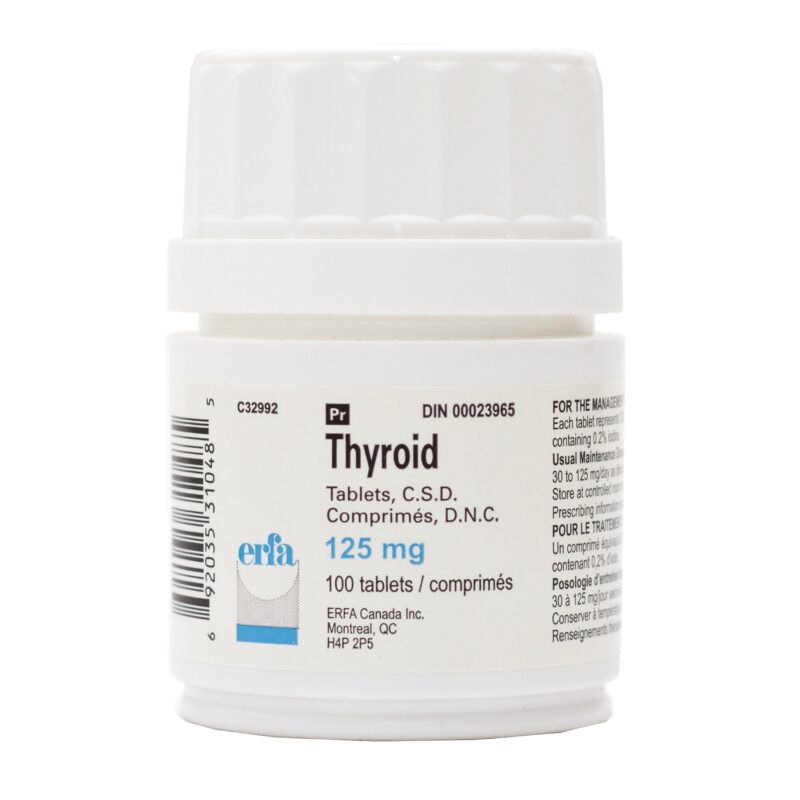
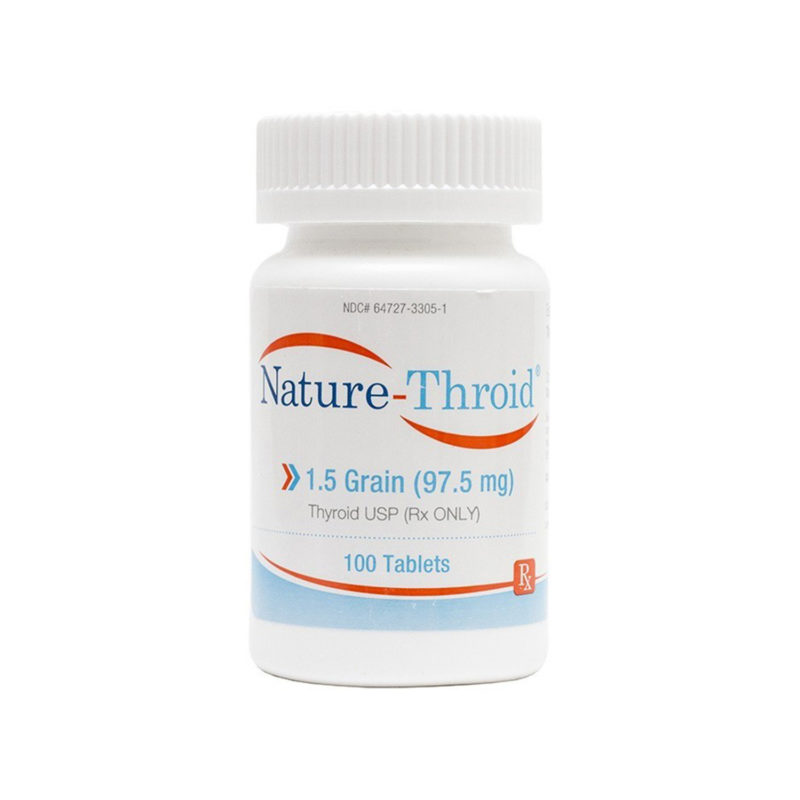
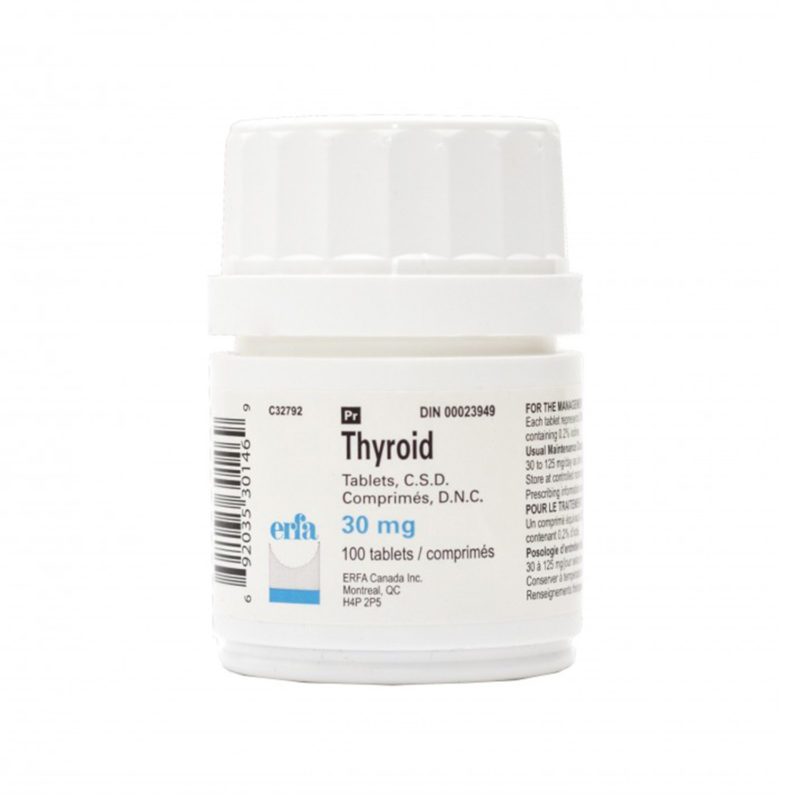
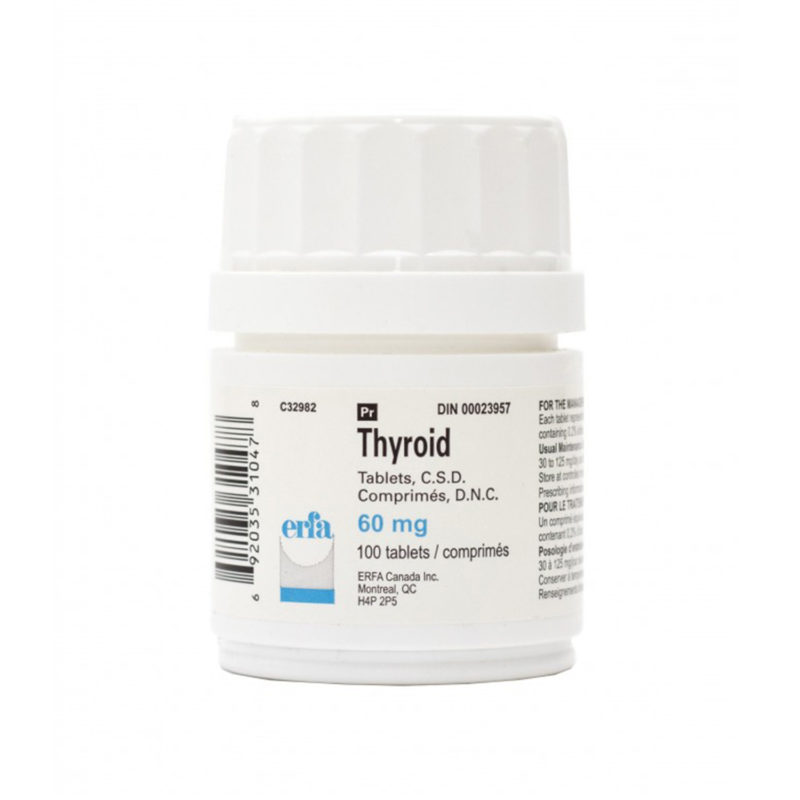
Many thyroid problems are synonymous with the aging process, when thyroid performance begins to decline it is increasingly important to find anti aging thyroid solution – we offer a wide range of both synthetic and Natural Thyroid supplements including the popular brand Armour, ERFA and thyroid PRO. Taking an anti aging thyroid supplement can redress this decline and help tackle the multitude of problems associated with hypothyroidism.
Women over the age of 40 are particularly susceptible to thyroid deficiency, but it can affect both sexes at any age – even teenagers – especially if it runs in the family. According to some estimates, as many as 15 to 20% of women over the age of 60 may have subclinical hypothyroidism. By this categorisation, they would benefit from thyroid supplements, though standard clinical tests may show no requirement for thyroid treatment. Each year, around 5 to 15% of this group of women develop symptoms which can lead to thyroid related health problems.
Some hypothyroidism, clinically diagnosed as thyroid deficiency syndrome, may be caused by a condition known as Hashimoto’s thyroiditis. Named after the Japanese physician who first recognised it, Hashimoto’s thyroiditis is an autoimmune disease where the body’s immune system attacks and inflames the thyroid gland, and can eventually destroy it. Ninety per cent of sufferers are women, while autoimmune conditions such as this are associated with immunosenesence – immune decline with aging. This progressive destructive process is at the heart of thyroid problems as we grow older, whatever our gender.
Thyroid supplements come in two forms: whole natural and synthetic. Synthetic versions usually contain just one of the key thyroid hormones – known as T3 or T4 – whereas whole natural varieties contain the full spectrum of thyroid hormones, from T1 right through to T4.
Because Thyroid function changes with age, it can help to check what are known as your Thyroid Stimulating Hormone (TSH) levels periodically. TSH levels will indicate if thyroid supplements are necessary. As a guide, TSH levels fall as thyroid hormones rise in the body.
Scientific and clinical data strongly support the idea that a small daily serving of thyroid as a dietary supplement can bring benefits. A study carried out by pioneering cardiovascular surgeon Dr James Isaacs in 1974, showed that people who took a quarter of a grain of thyroid a day (one grain = 60mg) - combined with vitamins and minerals - over a 10 year period showed significant improvement in cardiovascular-protective function.
The dosage that’s right for you will depend on your age and thyroid condition. Typical doses are 15mg to 30mg a day, inceasing to 60mg after a couple of weeks if necessary.
If you’re over 40 and looking to slow down the aging process, and have no overt hormone/endocrine health problems, then just a small regular whole thyroid supplement can help; from increased energy levels and sharper thinking, to improved bowl function and more.
Customers Who Bought This Item Also Bought
Disclaimer: Please note that only your own physician can determine your precise needs, but in order to give you some information these answers are based upon the ‘average person’ and clinical/ published results.
I am currently taking synthetic thyroid but wish to move to a natural thyroid, what dosage of the natural thyroid supplement is equal to the synthetic version?
This is a difficult question to answer, at least to be precise because there is no standardized equivalent about transferring from a synthetic thyroid to a natural one, much depends on the blood work and how you feel.
One of the issues that can cause complication is that Synthetic Thyroids such as Synthroid® only contain T4, this has to be converted inside the body into T3 the active form of thyroid; however for some patients this process is sometimes poor and therefore leads to lower than required T3 levels. However as a natural thyroid such as Armour® contains all 4 thyroid hormones (T1, T2, T3 and T4), it means that the body doesn’t need to ‘struggle’ to convert into T3 etc. And it is one of the reasons why Armour® and other natural Thyroid supplements are considered by many to be superior products.
A good expression of an active thyroid is body temperature. Take your temperature upon rising from bed, over a couple of weeks it should be in the range of 97.8 to 98.2 degrees Fahrenheit, if it is regularly less than that it could be that a little more thyroid is required, if more than that then perhaps less thyroid is required.
However as Dr. Ward Dean says, “don’t treat the blood, treat the patient” so sometimes a little more thyroid can overcome low energy, poor temperature control, poor sleep etc. However you should ensure that your resting pulse rate does not rise above 65-75 beats per minute.
Dr. Thierry Hertogue recommends that the synthetic thyroid is (ideally) reduced by a quarter each week and that the natural thyroid is introduced by a quarter dose each week, therefore within a month the Thyroids are switched.
A typical regime would be in week 1 the levothyroxine is reduced to 75mcg (I appreciate that tablets are often 50mcg but that would be 1 ½ tablets) and introduce Armour at 15mg. Week 2 levothyroxine 50mcg and Armour 30mg, week 3 levothyroxine 25mcg and Armour 45mg, week 4 levothyroxine 0mcg and Armour 60mg and thereafter 60mg daily.
This regime is of course dependent upon body temperature, blood tests and the health of the patient. It may be that your final natural thyroid dose will be slightly lower or higher than 60mg - but that is the typical average dose for a patient.
Can I take my vitamins, minerals etc at the same time as my natural thyroid supplement?
There is no harm in taking both thyroid (Armour®, ERFA® or Nature®) and vitamins together at more or less the same time. Natural Thyroids such as Armour® are best taken in the morning, and one tip is that chewing the thyroid tablet carefully helps you to get some it of sublingually, therefore it is faster into the bloodstream - there is virtually no flavor so it is not unpleasant.
Should natural thyroids be taken on an empty stomach or with food?
There are no specific instructions from the manufacturer, but most products are fat soluble and therefore best taken with food, this is also likely to be the case with the Armour® thyroid.
Is it a good idea to take a break my thyroid treatment from time to time?
It is believed to be generally good practice with most types of medications, particularly hormones to give occasion breaks or alterations to the patterns and dosages etc.
Thyroid is a hormone that is particularly prone to potential ‘down regulation.’ In other words, over doing the supplementation can cause permanent lack of production of natural thyroid. However, this is rare when it comes to a natural thyroid such as Armour®, Nature® or ERFA® because the synthetics only contain T3 or T4.
Marios Kyriazis M.D. wrote a piece about why differing/uneven supplementation (for all supplements - not just thyroid) may be beneficial and gave a strong scientific argument with references in the Journal of Antiaging Medicine which is now called Rejuvenation Research although there isn't a definitive clinical proof for it. *Reprints can be ordered here Please note that abstracts are not available free of charge.
I have been taking Synthroid® 0.112 mg. Which is the closest one?
Synthroid® is T4; the closest match we have is Eutirox® in 100 mcg tablets (0.100 mg). However you may want to read some of our articles about thyroid and consider a natural replacement here.
I received an order of Armour thyroid from you a couple of weeks ago and there are a couple of questions I would like to ask. First, I am currently taking 100 mg of levothyroxine (T4) daily. Can you tell me what dosage I should take of Armour thyroid? Also, should I start with a lower dose of Armour or start with the equivalent of what I am taking now? Also, should I take the required dosage once a day or divide it into two doses? I take quite a lot of vitamins, minerals and other supplements. Do I need to take these at a different time from Armour thyroid?
Unfortunately there is no exact science in transferring from a synthetic thyroid to a natural one; much depends on the blood work and how you feel. A good expression of an active thyroid is body temperature. Take your temperature upon rising from bed it should be in the range of 97.8 to 98.2 degrees Fahrenheit, if it is less than that it could be that a little more thyroid is required, if more than that then perhaps less thyroid is required. However as my good friend Dr. Ward Dean says, “don’t treat the blood; treat the patient” so sometimes a little more thyroid can overcome low energy, poor temperature control, poor sleep etc. However you should ensure that your resting pulse rate does not rise above 65-75 beats per minute.
Dr. Thierry Hertogue recommends that the synthetic thyroid is (ideally) reduced by a quarter each week and that the natural thyroid is introduced by a quarter dose each week, therefore within a month the drugs are switched. Therefore a typical regime would be in week 1 the levothyroxine is reduced to 75mcg (I appreciate that tablets are often 50mcg but that would be 1 ½ tablets) and introduce Armour® at 15mg. Week 2 levothyroxine 50mcg and Armour 30mg, week 3 levothyroxine 25mcg and Armour 45mg, week 4 levothyroxine 0mcg and Armour 60mg and thereafter 60mg daily.
This regime is of course dependent upon body temperature, blood tests and the health of the patient. It may be that your final natural thyroid dose will be slightly lower or higher than 60mg- but that is the typical average dose for a patient.
Armour® is best taken in the morning; some believe that chewing the tablet carefully is the best way to take it. There are no known complications taking it with other vitamins/ nutrition.
I now take 100 mcg of Synthroid® every day. I want to take a similar amount of Armour®. Could your experts advise me on how much Armour I should take a day to be approximately equal?
It is a difficult question to answer, at least to be precise because there is no standardized equivilant. One of the issues that causes the complication is that Synthroid® ‘only’ contains T4, this has to be converted inside the body into T3 the active form of thyroid, however for some patients this process is sometimes poor and therefore leads to lower than required T3 levels. However as Armour® contains all 4 thyroid hormones (T1, T2, T3 and T4), it means that the body doesn’t need to ‘struggle’ to convert into T3 etc. And it is one of the reasons why Armour is considered by many to be a superior product.
The best way is to continue monitoring the situation as you do now, with blood work to maintain the levels you require. However, some good physiological actions to monitor were recommended by Ward Dean, M.D. (and can be seen on the IAS website under articles) and are quoted as follows:
“In the 1940s, Dr. Barnes realized that the blood tests were usually inaccurate. Consequently, he developed a simple test to confirm suspected low thyroid function using an ordinary thermometer. He found that normal underarm or oral temperatures immediately upon awakening in the morning (while still in bed) are in the range of 97.8 to 98.2 degrees Fahrenheit. He believed that a temperature below 97.8 indicated hypothyroidism; and one above 98.2, hyperthyroidism (overactive thyroid). Dr. Barnes recommended that the underarm temperature taken immediately upon awakening be used to diagnose hypothyroidism. Unfortunately, even today's highly sophisticated tests are no more accurate than the tests used in Dr. Barnes’ era. Therefore, I instruct my patients to take their temperature orally (as opposed to underarm) immediately upon awakening in the morning as a guide to diagnosis and treatment of hypothyroidism. At the same time I have my patients check their resting pulse rate which should be between 65 and 75.
If a patient exhibits hypothyroidism symptoms and his temperature is below 97.8 Fahrenheit, I prescribe one grain (60 mg) of Armour Desiccated Thyroid daily. If no improvement is noted in two or three weeks, I instruct him to increase the dose by another grain. At each step, we monitor morning temperature and heart rate. If the suspected hypothyroid symptoms are still present and the temperature is still sub-normal, it is safe to continue to increase the dosage provided that the patient’s heart rate goes no higher than the mid-70s, and no symptoms of hyperthyroidism are evident, (agitation, anxiety, poor sleep, tremor of hand, palpitations).
Treatment of subclinical hypothyroidism with thyroid hormone is very safe. There is little risk of excessive thyroid dosage if: (1) the patient feels well; (2) the temperature remains below 98.2; (3) the pulse is less than 75 beats per minute; and (4) the thyroid function tests remain normal. (Note that most hypothyroid patients feel best with sub-normal TSH levels).”
With this in mind and considering that your current Synthroid® medication is low-mid range in its dose, you may want to start as Dr. Dean suggests at 1-grain (60mg) of Armour® and monitor the situation to see if more is required. Please note that Armour is now also available in 90mg tablets, which means there is now a step between 1 and 2 grains (which probably wasn’t around when Dr. Dean wrote said article).
Can I ask you one more question? It is in relation to taking vitamins, minerals and other supplements. The synthetic thyroid I am currently taking says I should not take vitamins etc., within 4 hours of taking thyroid- does this advice also apply to Armour® thyroid?
I can’t imagine why the synthetic thyroid manufacturers make that case? Unless they have concerns that some of the vitamins will contain iodine (or iodide) that could lead to an increased thyroid release; however this is only likely to be the case if both the thyroid dose and the vitamin doses are high.
We see no harm in taking both Armour® and vitamins together at more or less the same time. I do! One tip is that chewing the Armour tablet carefully helps to get some it of sublingually, therefore faster into the bloodstream- in my opinion there is virtually no flavor to them so it is not unpleasant.
Should thyroid be taken on an empty stomach or with food? If with food, is it better with carbs or protein?
There are no specific instructions from the manufacturer, but most products are fat soluble and therefore best taken with food, this is also likely to be the case with the Armour® thyroid. A heavy protein meal may be best avoided. We hope this helps.
One grain (equivalent to 60mg) or higher dosages are potent and usually require temperature monitoring and occasional blood tests. Persons with more-serious thyroid conditions are often be prescribed one grain. Dosages under a physician's guidance can often reach three to five grains daily. Dosages of more than one grain are usually increased by a grain over one to two weeks. Quarter grain and half grain whole thyroid supplements (15mg to 30mg)) provide less potency and are used to support an aging thyroid condition. However, long-term use of low dose whole thyroid extracts may also require occasional breaks and monitoring.
Reduce or stop thyroid supplementation if you feel unwell, your rising-from-bed-in-the-morning temperature is over 98.2 degrees Fahrenheit, your resting pulse is more than 75 beats a minute or your thyroid function blood tests are abnormal.
The dramatic improvements that many of my patients have achieved on thyroid therapy often appear miraculous!
Ward Dean MD, Florida
There's no question that many of my problems were thyroid related, within days of taking the supplements my symptoms were either gone or being alleviated!
B.D., California.